WE INITIATE AND FACILITATE
REGENERATIVE PLACEMAKING
IN URBANISED TERRITORIES
The Kulturos Dirbtuve (KD) team is united by the MISSION to reveal and empower the biocultural uniqueness of places by stimulating people’s curiosity and inspiring them to take action for the thriving of the living systems in urbanised territories. The KD team aims to actively contribute to the (re)creation of sustainable cities and communities.
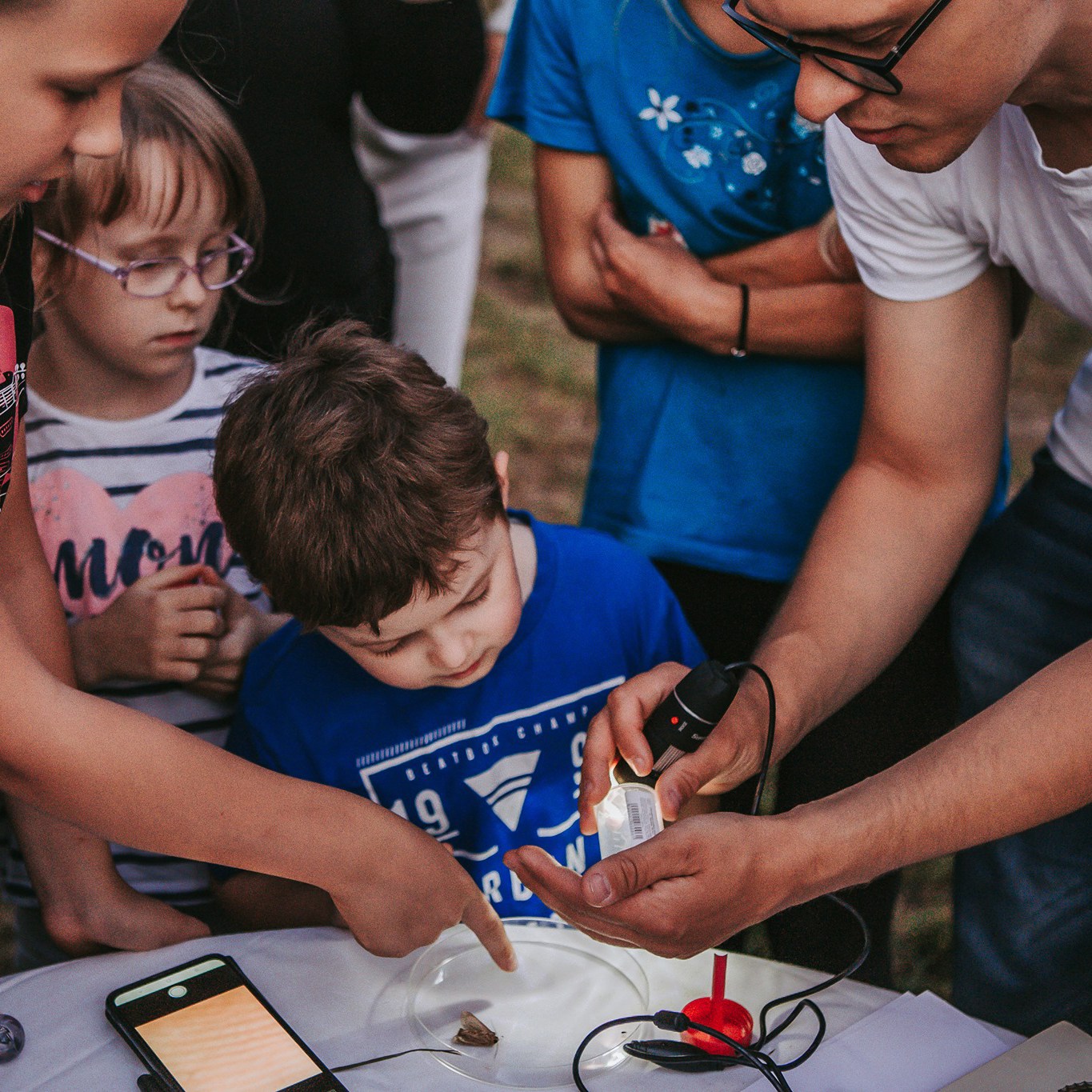
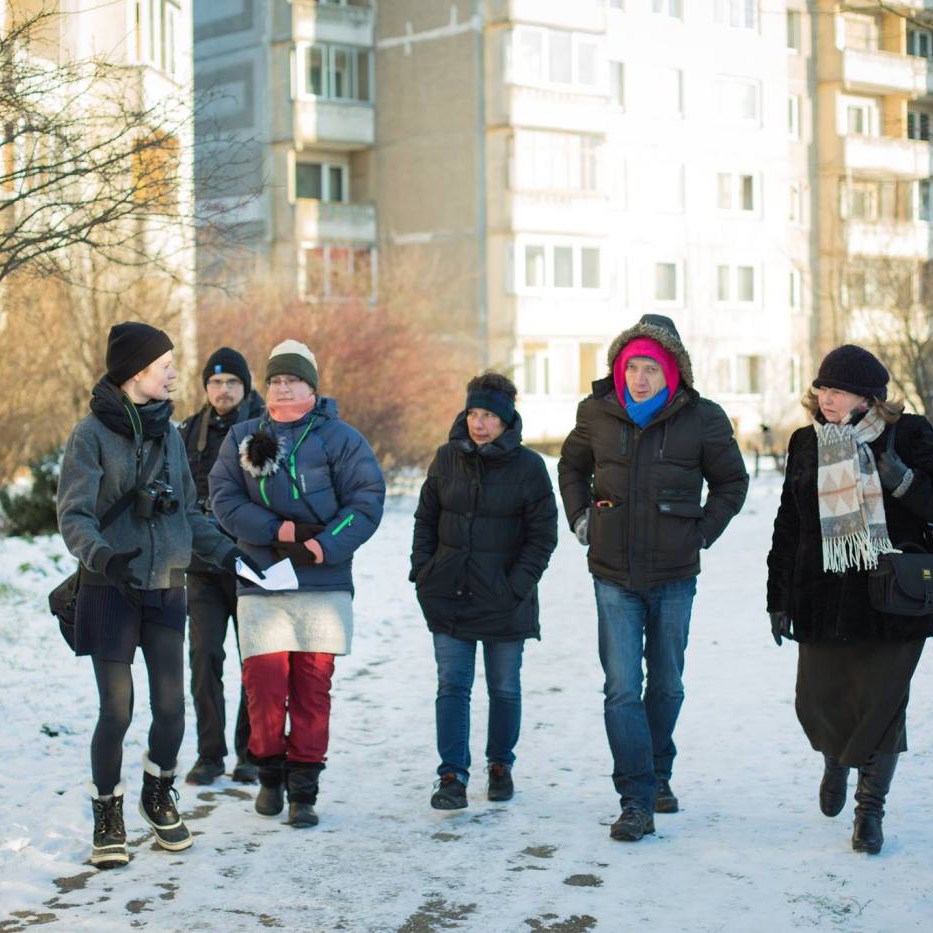
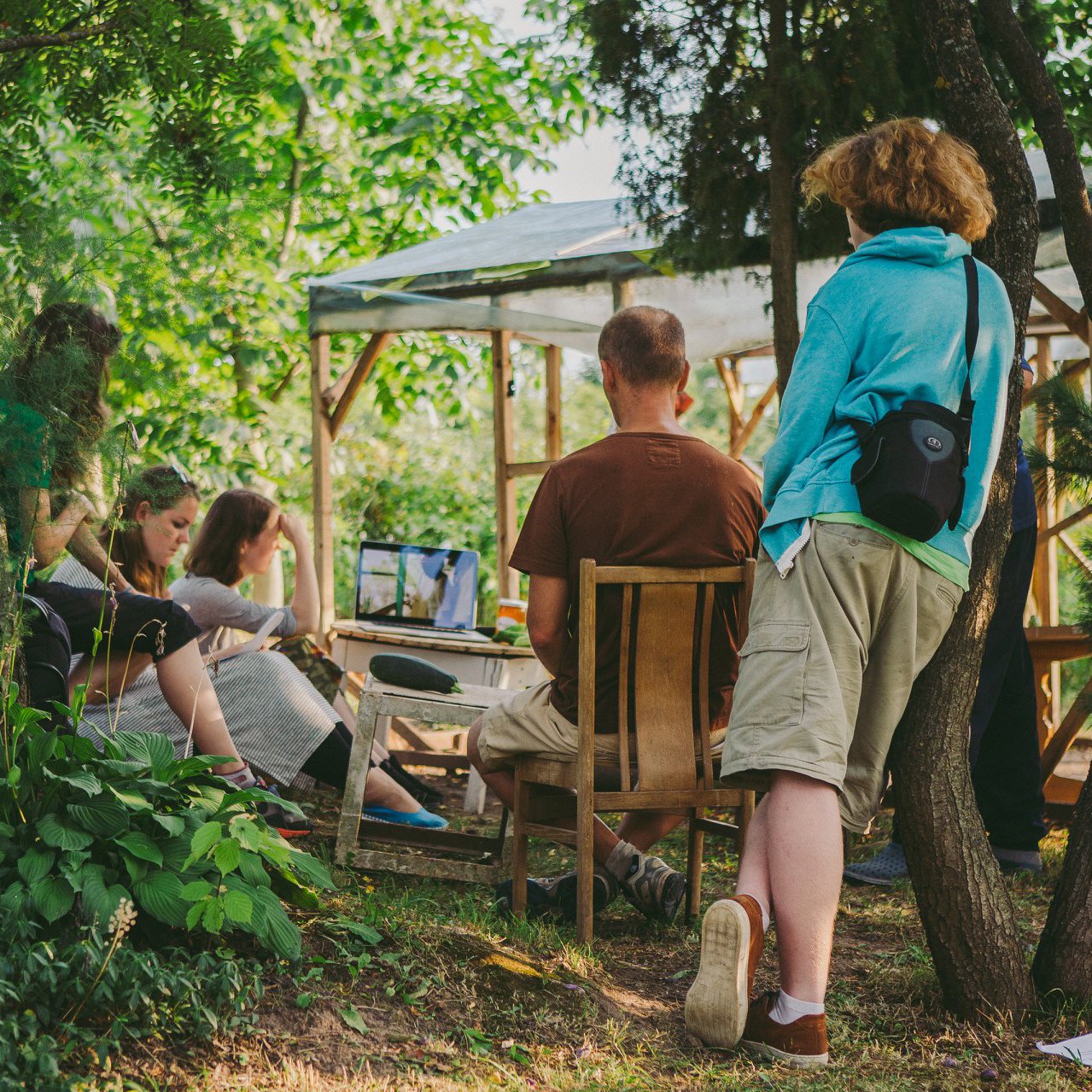
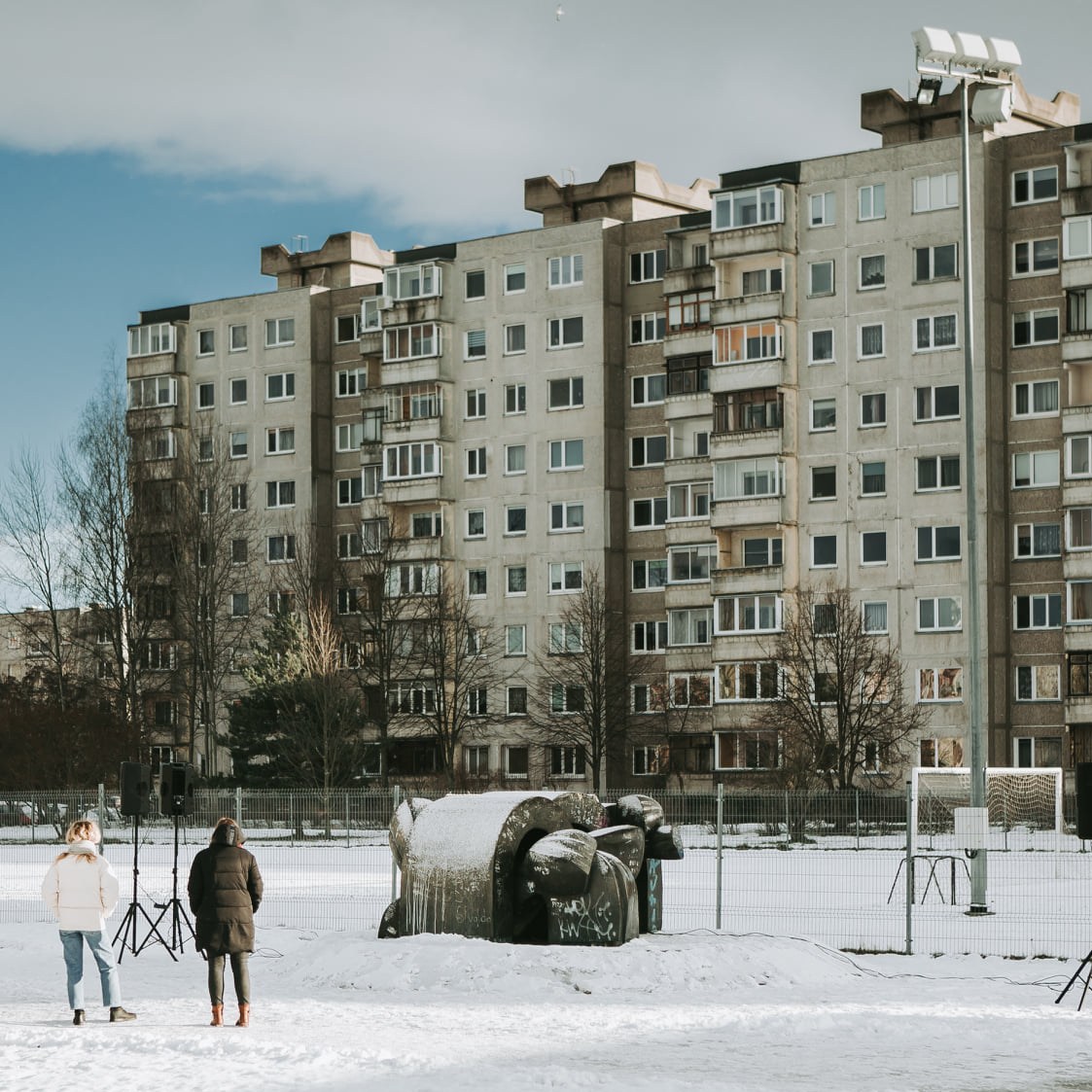
We have been operating in the Šilainiai micro district of Kaunas since 2015. We have been working intensively and actively cooperating for the benefit of the neighbourhood. In Šilainiai, we protect the history of the place and its signs, change public spaces and constantly discover the place from new angles.
Regenerative placemaking can help you find the most effective and highest potential ideas to work with different challenges. Whether in a village, town or city, we can help you initiate, develop and implement the projects that matter to you.
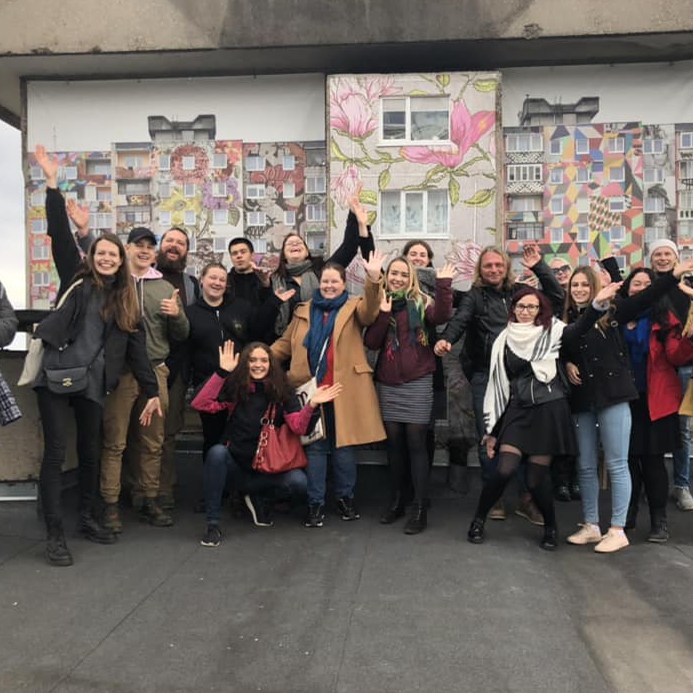
We present our activities and projects. Through interactive sessions and workshops, we teach and share experiences on the themes of sustainability, culture, art and regenerative placemaking. We lead various exploratory experiences for groups, teams, communities and/or friends.
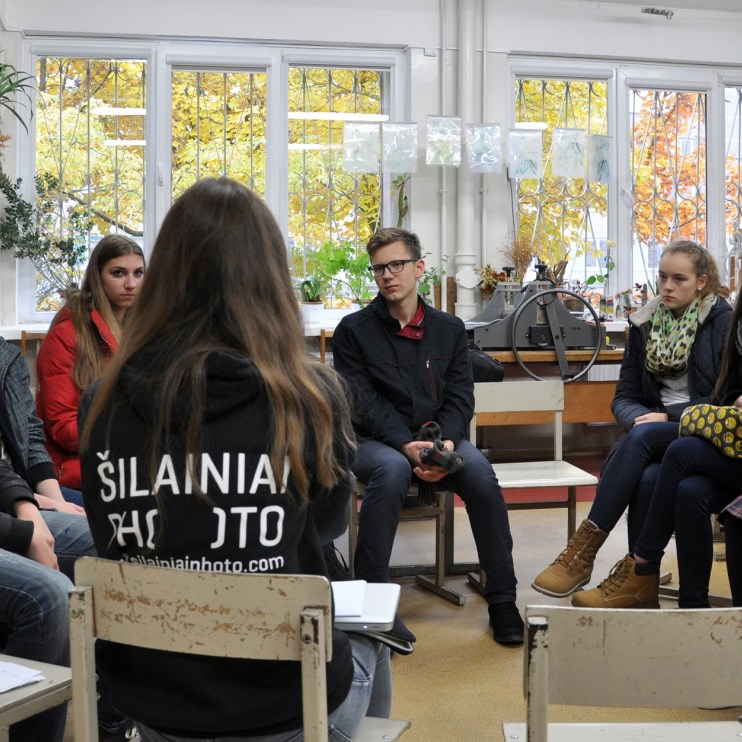
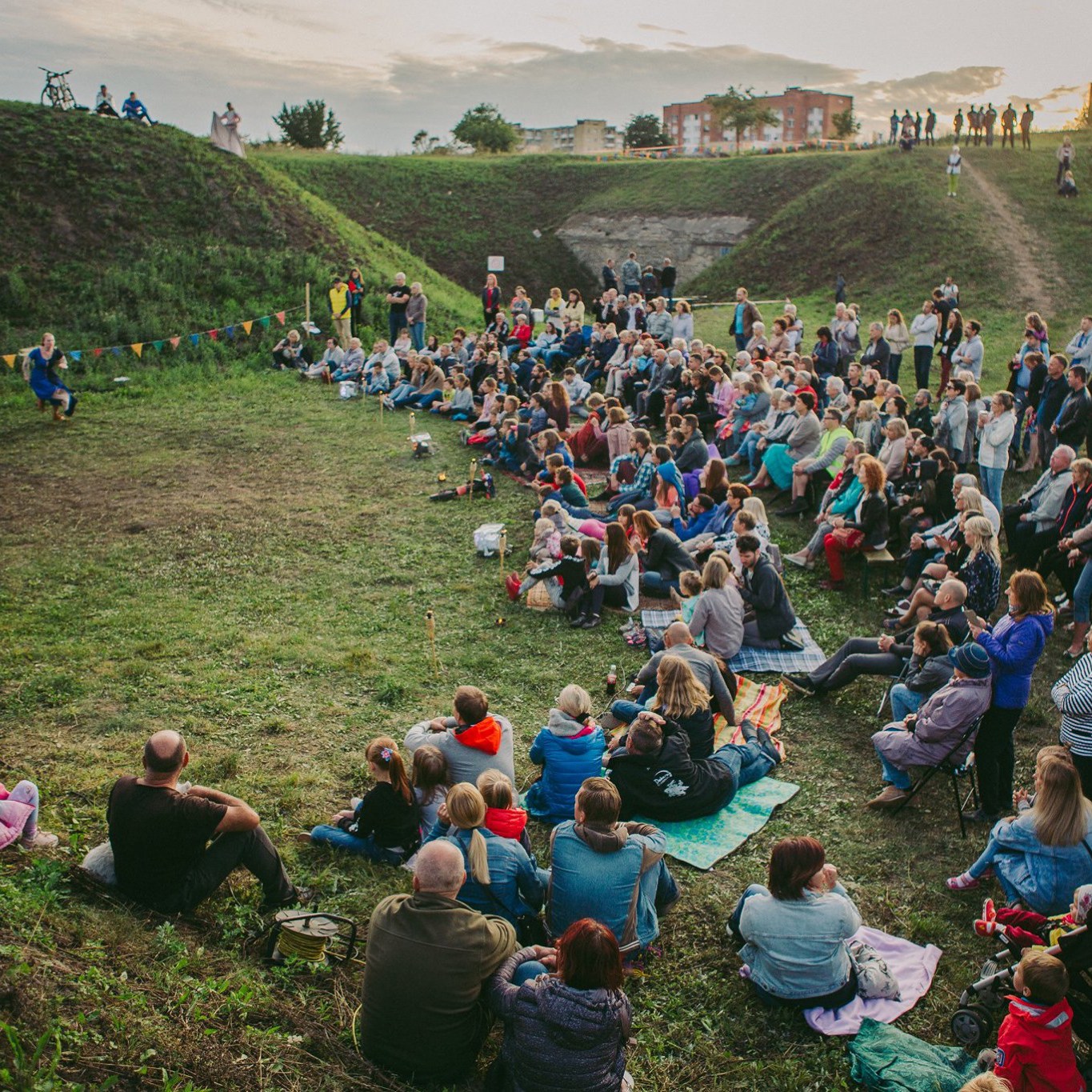
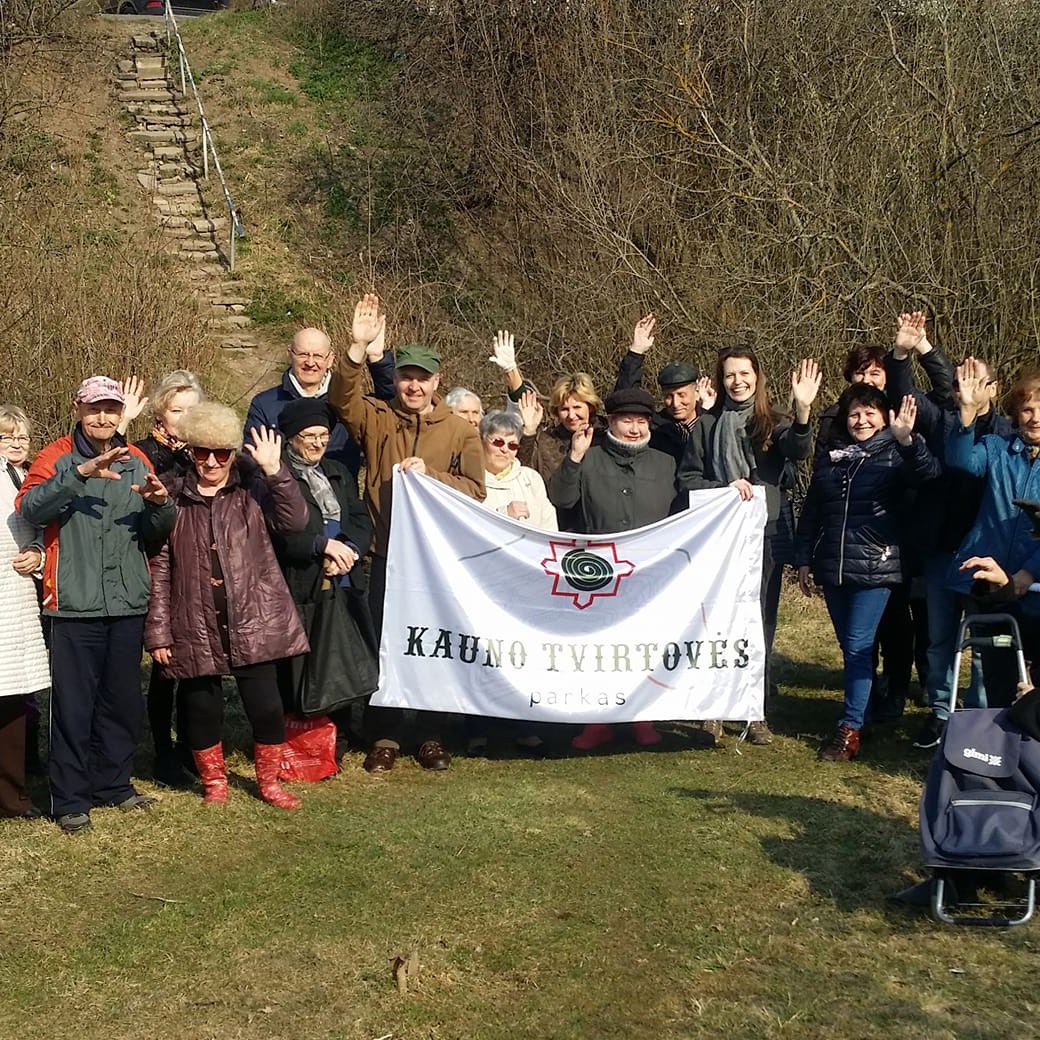
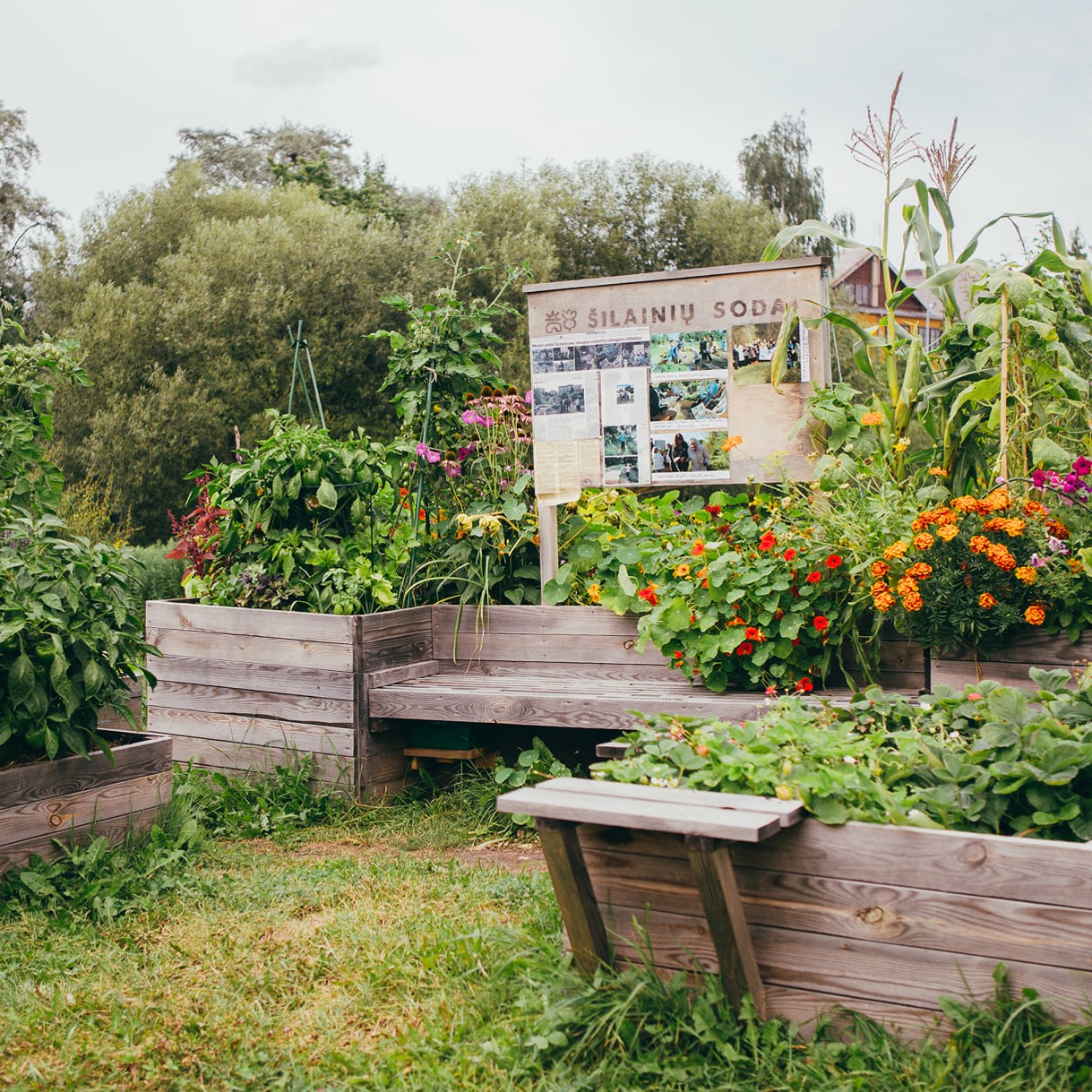
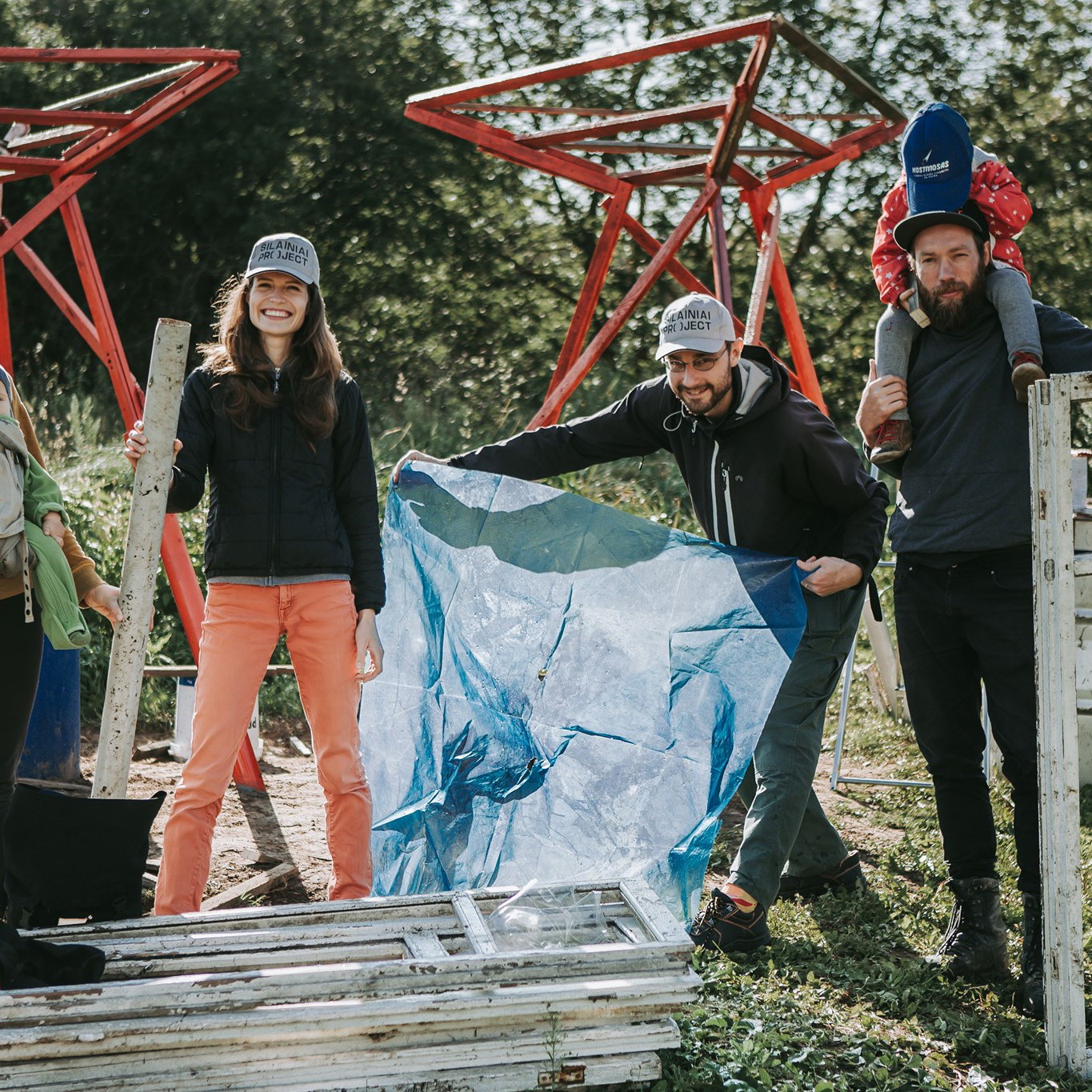
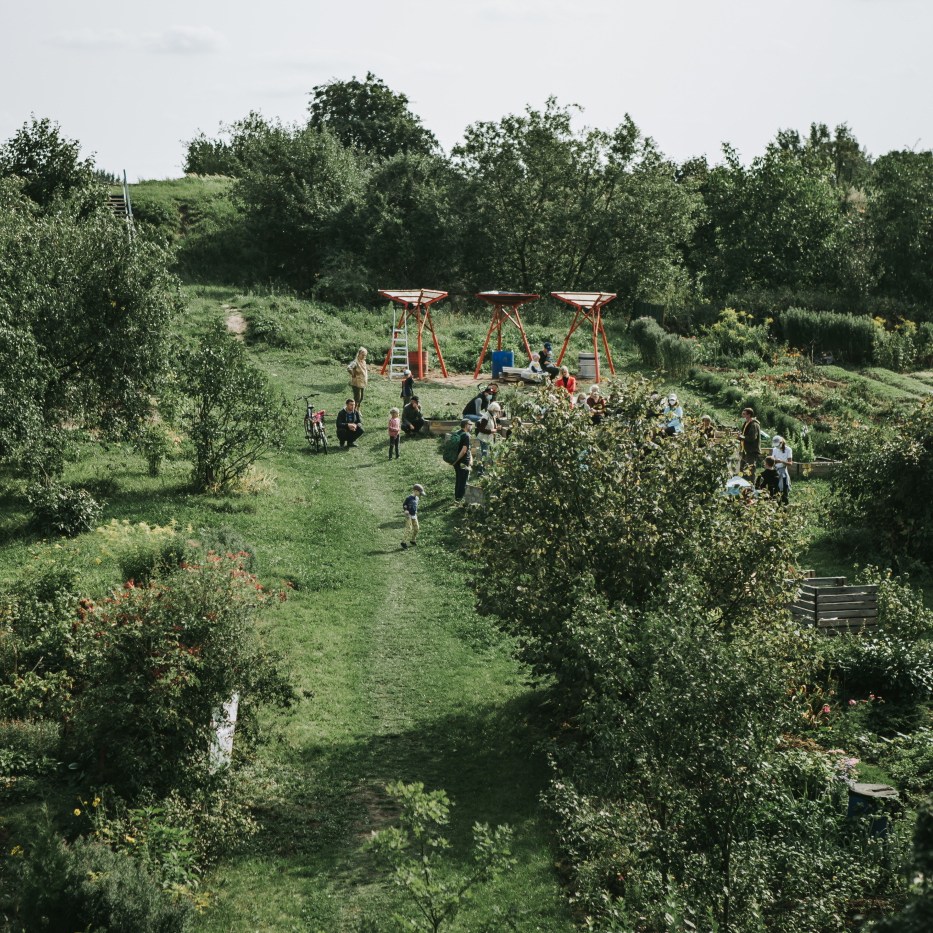
The co-founders of KD have been gathering experience since 2015 when Evelina Šimkutė initiated the activities of ‘Šilainiai Photo’ and the creative platform ‘Šilainiai Project’, which gradually helped to get to know the Šilainiai housing estate in Kaunas. Thanks to many co-creative and voluntary efforts, phenomena such as local activation in Fort VIII, gardening in the city ‘Šilainiai Sodai’ (Šilainiai Gardens) have emerged and are growing steadily, to which Rūta Lukošiūnaitė has been actively contributing since 2018. All activities in Šilainiai are referred to by the KD team as regenerative placemaking.
From 2021, we operate under the name of “Kultūros dirbtuvė”, continuing the regenerative placemaking process in Šilainiai and expanding to other urbanised territories in Lithuania and beyond.
Want to start a regenerative placemaking process in your place?
Below, read more about regenerative placemaking
from a theoretical and methodological perspective.
REGENERATIVE PLACEMAKING
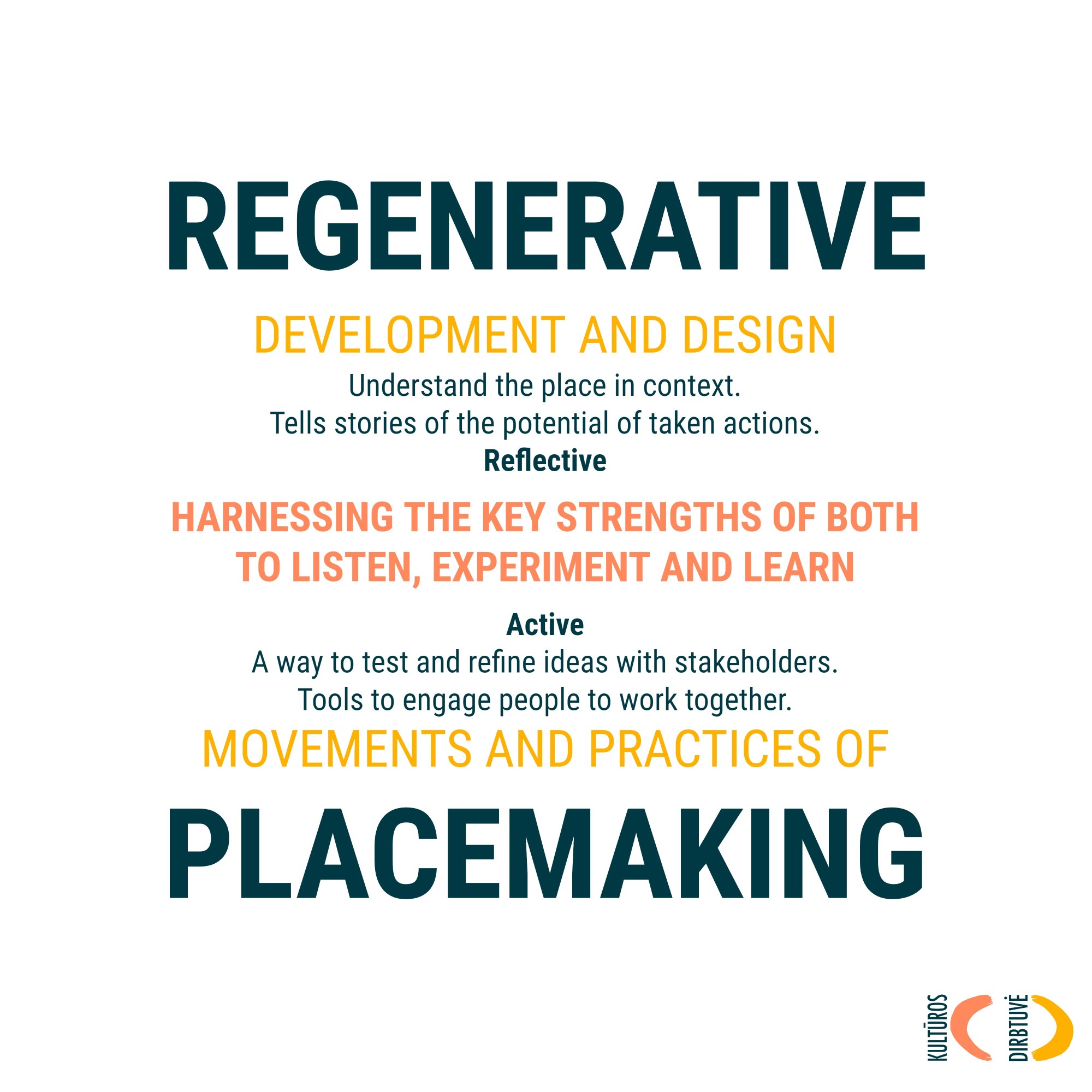
“Is a strategic process of (re)igniting people’s relationship to socio-ecological systems through place-specific temporary activations that act as a testing ground for long term potential.
At its best, regenerative placemaking can become a process by which people are activated as cultural and environmental stewards of place to engender ongoing systemic healing.“
Regenerative placemaking
Definition from:
(Hernandez-Santin et al 2020)
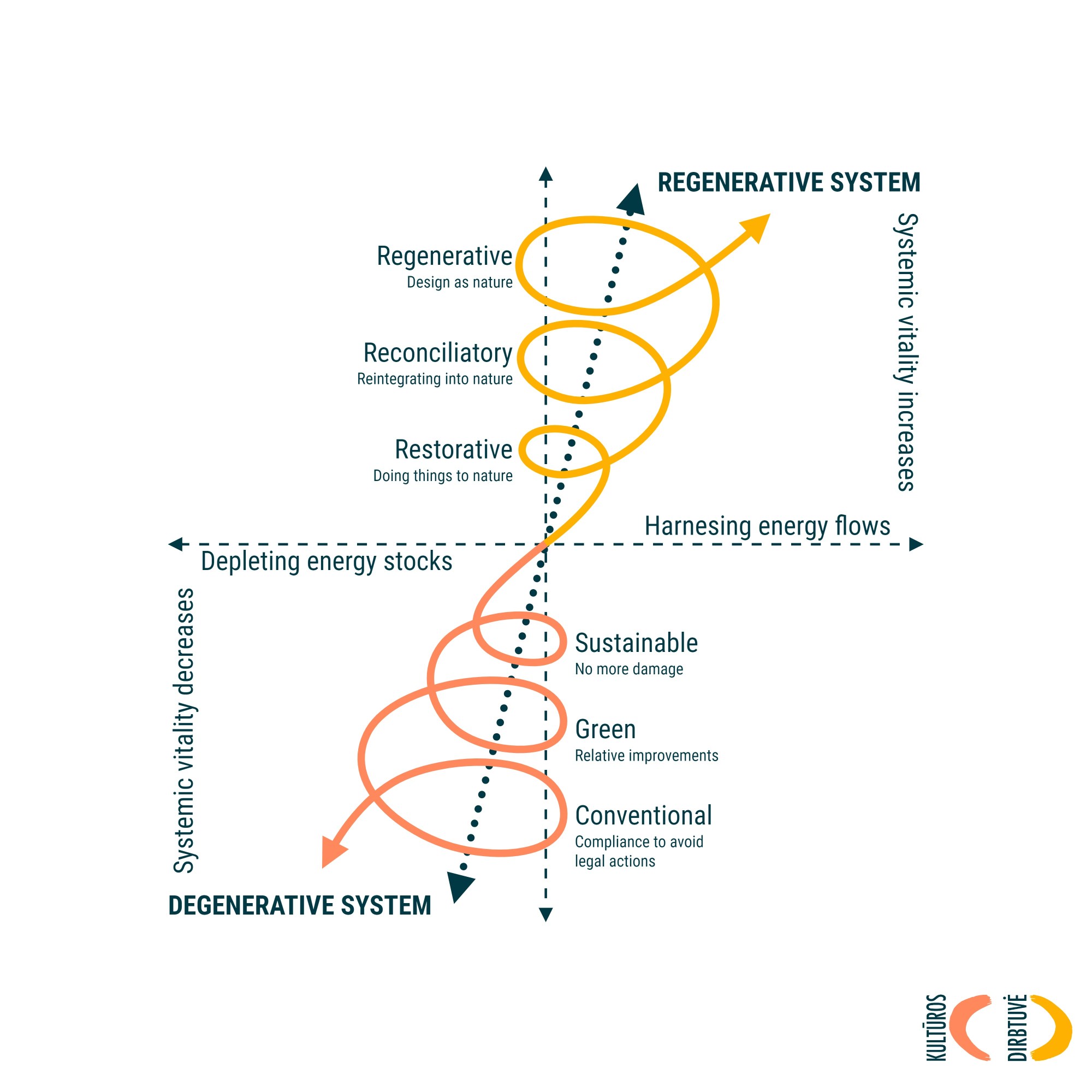
Current regenerative views rest on living systems principles and the golden rule of Janine Benyus: “Life creates conditions conducive to life”. Ecological worldview and systems thinking can be traced back to Alexander von Humboldt work produced before 1845. Already then it was understood “that everything in nature was interconnected” and “that humans were intricately entangled within this web” (Humboldt’s legacy. 2019, p. 1265). Even though the modernist movement and mechanistic worldview dominated the 20th century, ecological worldview has been maturing and spreading too. Regenerative sustainability paradigm or ecological worldview asks two fundamental questions (Du Plessis, 2012, p. 8):
– How can we learn to live in harmony with nature?
– How can our efforts make the world a healthy and life-enhancing place?
Placemaking is a continuous, social, city making process that is as old as cities themselves. The specific term emerged around 1960-1970 to describe a movement which was responding to the monotony of modernist city planning. Now placemaking is a broad, diverse and emergent field of practice. For KD it is “simultaneously a process (of community engagement) and a product (which may or may not be a design)” (Hes et al. 2020, p. 320).
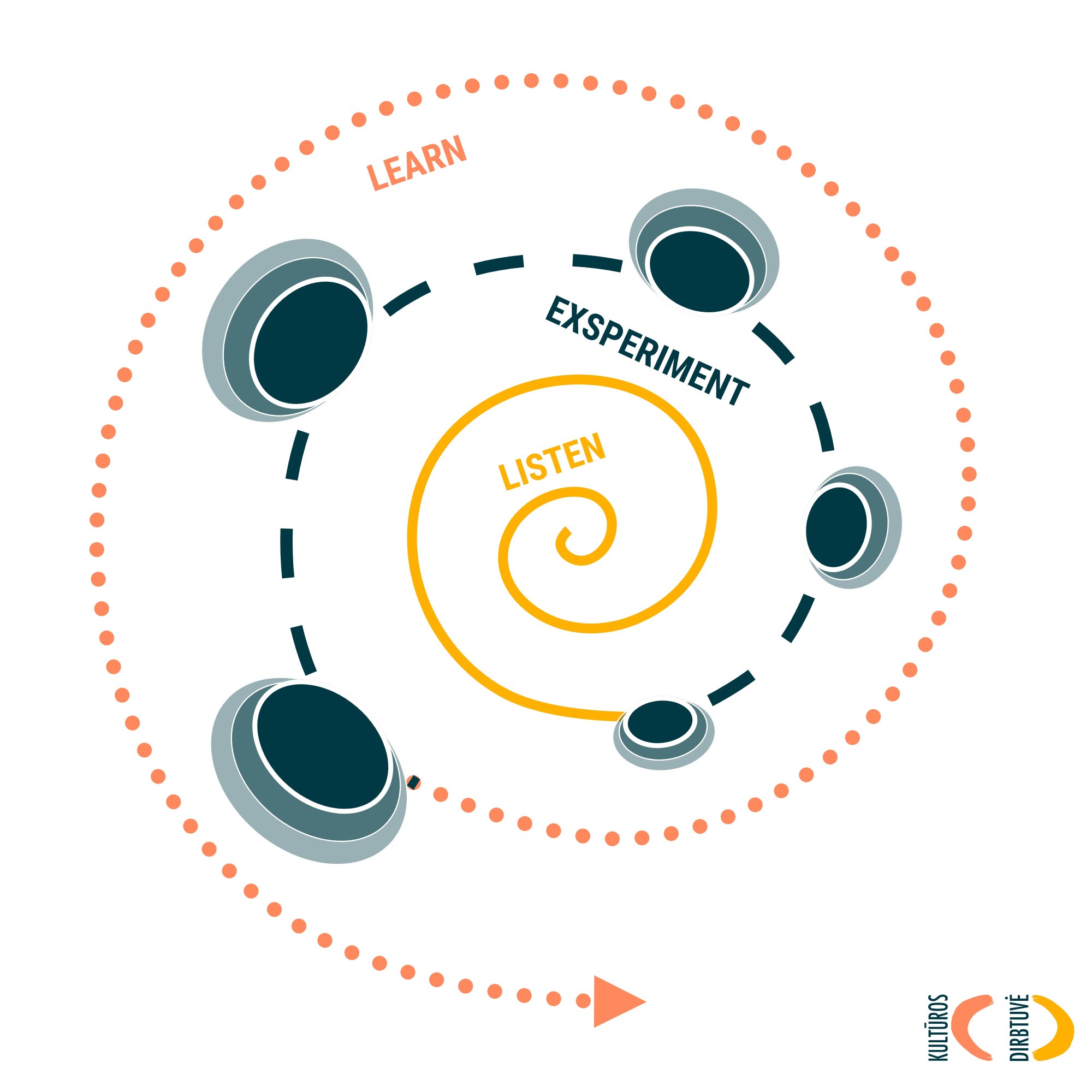
Listening practices create deep connections to place and community.
Interacting and experimenting helps to explore the environment and create small projects.
We actively learn to understand how our actions create lasting change.
WANT TO KNOW MORE AND EXPERIENCE REGENERATIVE PLACEMAKING?
References:
- Benyus, J., “The Biomimicry Institute”. https://biomimicry.org/
- Du Plessis, C. (2012). Towards a regenerative paradigm for the built environment. Building Research & Information, 40(1), 7-22.
- Hernandez-Santin C., Hes D., Beer T., Lo L. (2020) Regenerative Placemaking: Creating a New Model for Place Development by Bringing Together Regenerative and Placemaking Processes. In: Roggema R. (eds) Designing Sustainable Cities. Contemporary Urban Design Thinking. Springer, Cham. https://doi.org/10.1007/978-3-030-54686-1_4
- Hes, D., Hernandez-Santin, C., Beer, T., & Lo, L. (2020). A New Model for Place Development–Bringing Together Regenerative and Placemaking Processes. In Smart and Sustainable Cities and Buildings (pp. 319-330). Springer, Cham.
- Humboldt’s legacy. Nat Ecol Evol 3, 1265–1266 (2019). https://doi.org/10.1038/s41559-019-0980-5
- Wahl, D. (2016). Designing regenerative cultures. Triarchy Press.
 KULTŪROS DIRBTUVĖ